


What Is Hard Stucco?


If you've ever driven through a neighborhood and noticed a home or commercial building with a textured, seamless exterior finish, there's a good chance you were looking at hard stucco.
As contractors who work with a wide range of construction materials, we often receive questions about hard stucco from clients who are evaluating exterior options for their projects.
So, what exactly is hard stucco? And is it the right choice for your building?
What Is Hard Stucco?
Hard stucco, sometimes called traditional stucco or cement stucco, is a durable exterior finish made from a mixture of cement, sand, lime, and water. It is applied in multiple layers over a building's exterior wall system to create a strong, weather-resistant surface.
Unlike synthetic stucco systems, commonly known as EIFS (Exterior Insulation and Finish Systems), hard stucco is cement-based and cures into a rigid, masonry-like finish.
Traditional hard stucco has been used for centuries and remains a popular choice for residential homes, commercial buildings, schools, municipal facilities, and mixed-use developments because of its durability and design versatility.
How Is Hard Stucco Installed?
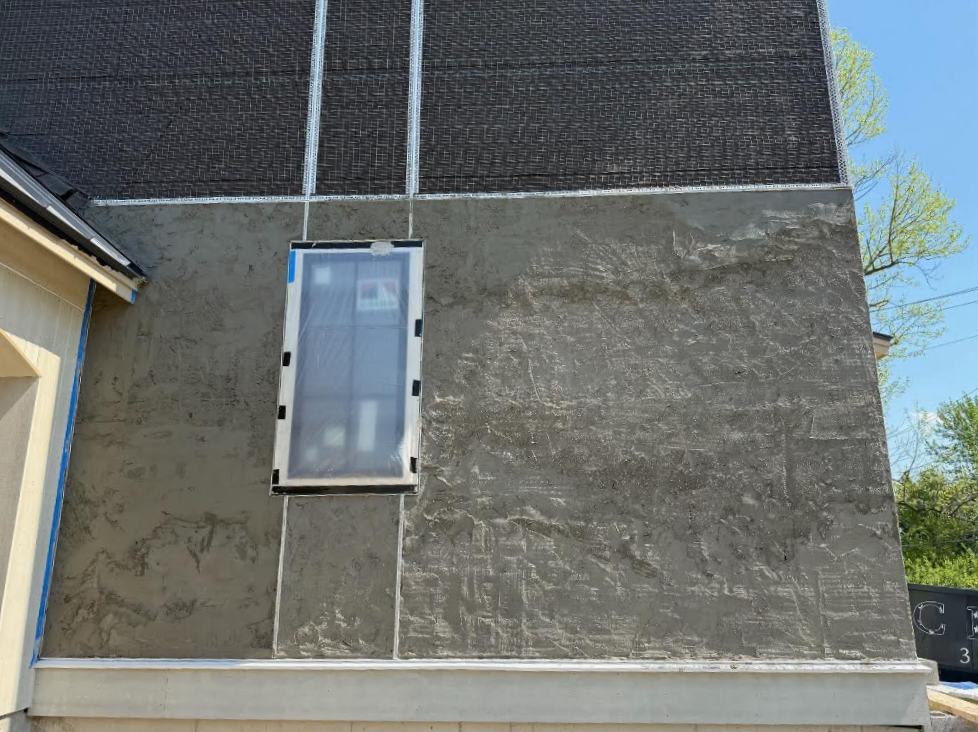
A properly installed hard stucco system typically consists of three coats:
1. Scratch Coat
The first layer is applied over a metal lath or reinforcement system attached to the wall structure. This coat is scratched to create texture and allow the next layer to bond securely.
2. Brown Coat
The second coat helps level and strengthen the wall surface. This layer establishes the overall thickness and provides structural stability.
3. Finish Coat
The final coat creates the visible texture, color, and appearance of the stucco system. Finish coats can range from smooth and modern to heavily textured depending on the desired architectural style.
Proper curing time between coats is critical. One of the most common mistakes during installation is rushing the curing process, which can lead to cracking and long-term performance issues.
Why Is Hard Stucco So Popular?
Hard stucco offers several advantages that make it appealing for both residential and commercial applications.
Durability
When installed correctly, hard stucco can last 50 years or more. Its cement-based composition provides excellent resistance to impact, weather exposure, and daily wear.
Low Maintenance
Compared to wood siding or other exterior cladding systems, hard stucco requires relatively little maintenance. Periodic inspections and cleaning are usually sufficient to keep it looking good.
Design Flexibility
Hard stucco can be finished in a wide variety of textures and colors. It works well with many architectural styles, including:
Mediterranean
Spanish Colonial
Contemporary
Modern Commercial
Southwestern
Traditional Residential
Fire Resistance
Because hard stucco is primarily composed of cement-based materials, it offers excellent fire-resistant properties compared to many other exterior finishes.
Seamless Appearance
Many property owners appreciate the clean, monolithic look that stucco provides. Without numerous seams or joints, buildings often appear more polished and architecturally cohesive.
Is Hard Stucco Waterproof?
This is one of the most common questions clients ask.
The short answer is no.
Hard stucco is water-resistant, but it is not completely waterproof.
Stucco naturally allows some moisture absorption and vapor movement. For this reason, proper installation of weather barriers, flashing systems, drainage planes, and expansion joints is essential.
Many stucco failures are not caused by the stucco itself but by improper moisture management behind the system.
When evaluating a stucco contractor, it's important to ask questions about:
Water management systems
Flashing details
Expansion joints
Drainage design
Building envelope integration
These components often determine the long-term success of the installation.

Does Hard Stucco Crack?
Minor cracking is normal in cement-based materials. Just as concrete sidewalks or slabs can develop hairline cracks over time, hard stucco may experience small surface cracks due to natural building movement, temperature fluctuations, and curing shrinkage.
However, significant cracking can indicate underlying issues such as:
Improper installation
Structural movement
Inadequate expansion joints
Poor curing practices
Foundation settlement
An experienced installer understands how to minimize cracking through proper reinforcement, control joints, and application techniques.

How Does Hard Stucco Compare to Other Exterior Finishes?
Many clients compare hard stucco to other common building materials.
Hard Stucco vs. Brick
Brick generally offers exceptional longevity and a classic appearance but often comes with higher installation costs.
Hard stucco provides a similar solid appearance while offering greater flexibility in textures and architectural styles.
Hard Stucco vs. Stone Veneer
Stone veneer creates a premium aesthetic and is frequently used as an accent material. Hard stucco often complements stone installations and can be combined effectively to create visual contrast.
Hard Stucco vs. Siding
Siding systems may offer lower upfront installation costs, but stucco often delivers superior durability and a more substantial architectural appearance. The best choice depends on budget, climate, maintenance expectations, and design goals.
What Maintenance Does Hard Stucco Require?
Hard stucco is relatively low maintenance, but it is not maintenance-free.
Property owners should:
Inspect the exterior annually
Repair cracks promptly
Keep gutters functioning properly
Ensure landscaping does not trap moisture against walls
Wash surfaces periodically to remove dirt and mildew
Addressing small issues early can prevent larger repairs later.

Common Mistakes Property Owners Make
Over the years, we've seen several mistakes repeatedly occur during construction and renovation projects.
Choosing Based on Price Alone
The lowest bid often overlooks critical details such as flashing, moisture barriers, or proper curing procedures.
Ignoring Building Design
Not every exterior finish works equally well on every building. Architectural style, climate, and surrounding materials should influence material selection.
Overlooking Maintenance Requirements
Every building material requires some level of maintenance. Understanding long-term responsibilities helps avoid surprises later.
Failing to Coordinate Materials
Exterior finishes should work together as a complete system. Stucco, brick, stone, roofing, windows, flooring transitions, and wall finishes all contribute to the final appearance and performance of a property.
Is Hard Stucco Right for Your Project?
Hard stucco can be an excellent choice for homeowners, business owners, architects, and developers seeking a durable, attractive, and long-lasting exterior finish.
However, the success of any stucco installation depends heavily on proper design, material selection, and installation methods.
Before making a final decision, it's worth discussing your goals, building conditions, maintenance expectations, and budget with an experienced construction professional who understands how all building materials work together.
Whether you're planning a residential renovation, commercial build-out, exterior upgrade, or a complete construction project, selecting the right materials is one of the most important decisions you'll make.
The experts at LaFace Flooring, LLC can help you with all your flooring needs. Contact us today to review and estimate your project.


Comments